
Pelvic Floor Physiotherapy in Prince George: What It Is, Who It Helps, and What Actually Happens at Your First Visit
Pelvic Floor Physiotherapy Isn't Just for New Moms
When most people hear "pelvic floor physiotherapy," they immediately think of postpartum recovery. While pelvic floor physiotherapy can be incredibly beneficial after pregnancy and birth, that's only part of the story.
Pelvic floor physiotherapy can help people of all ages and activity levels manage symptoms such as bladder leakage, pelvic pressure, prolapse, urgency, pelvic pain, and difficulties returning to exercise. Many of these issues are common, but they aren't something you simply have to live with.
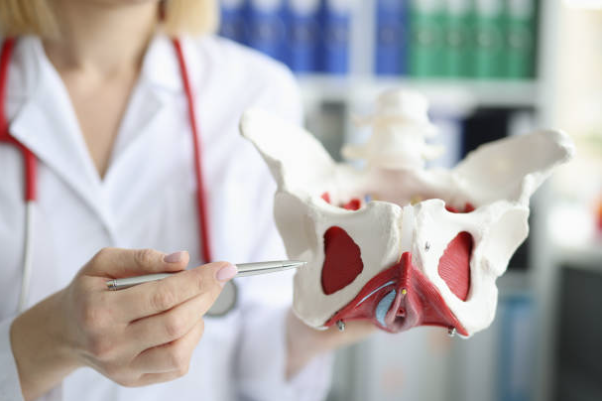
At Northern Motive Physiotherapy in Prince George, both Emily and Caitlin have training in pelvic floor physiotherapy and work with clients to help them better understand and improve their symptoms.
What Pelvic Floor Physiotherapy Actually Is
The pelvic floor is a group of muscles, ligaments, and connective tissues that sit at the bottom of your pelvis. These muscles help support the bladder, bowel, and reproductive organs while also contributing to bladder and bowel control, sexual function, breathing, and core stability.
Pelvic floor physiotherapy focuses on assessing how these muscles are functioning and identifying factors that may be contributing to symptoms.
Contrary to popular belief, pelvic floor issues are not always caused by weakness. In many cases, the muscles may actually be too tight, overactive, poorly coordinated, or unable to relax properly.
Treatment may include:
Education about bladder and bowel habits
Breathing and pressure management strategies
Pelvic floor relaxation techniques
Strengthening exercises when appropriate
Hip and core strengthening
Return-to-exercise guidance
Manual therapy and movement retraining
Every treatment plan is individualized based on your symptoms and goals.
Signs Your Pelvic Floor Might Need Attention
Many people assume that symptoms are simply a normal part of aging, pregnancy, or exercise. However, these signs may indicate that a pelvic floor assessment could be helpful:
Leaking urine when coughing, sneezing, laughing, or exercising
Frequent urges to urinate
Difficulty fully emptying your bladder
Constipation or difficulty with bowel movements
Pelvic heaviness or pressure
A sensation of bulging in the vaginal area
Pain with intercourse
Pelvic, groin, tailbone, or lower abdominal pain
Symptoms that worsen during exercise
Ongoing postpartum symptoms
If you've changed your activities because of these symptoms, whether that's avoiding running, mapping out bathroom locations, wearing pads "just in case," or limiting exercise, it's worth getting assessed.
The 5 Most Common Pelvic Floor Exercises
One of the biggest misconceptions about pelvic floor physiotherapy is that treatment is simply doing Kegels.
While Kegels can be useful for some people, they're not always the answer. In fact, they can sometimes make symptoms worse if the pelvic floor is already overactive or tight.
Some of the most common exercises prescribed include:
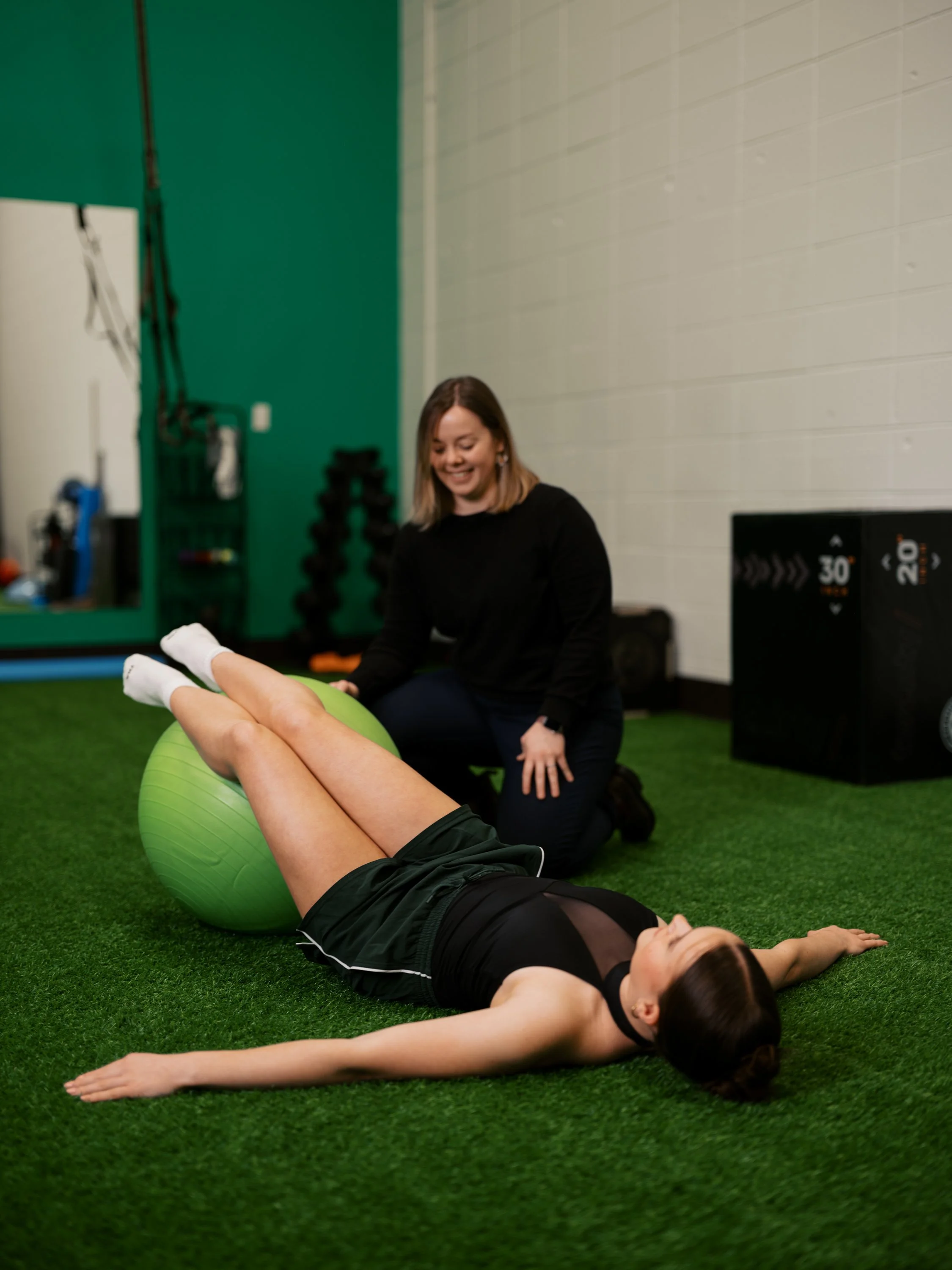
1. Diaphragmatic Breathing
Learning how your pelvic floor works with your diaphragm can improve relaxation, pressure management, and muscle coordination.
2. Pelvic Floor Contractions (Kegels)
When appropriate, targeted pelvic floor contractions can help improve strength, endurance, and bladder control.
3. The "Knack"
This involves gently engaging the pelvic floor before coughing, sneezing, or lifting to reduce leakage.
4. Functional Strength Exercises
Squats, bridges, and other strengthening exercises can help integrate pelvic floor function into everyday activities.
5. Hip and Core Strengthening
The pelvic floor doesn't work in isolation. Strengthening surrounding muscles often plays an important role in recovery.
The best exercise program is always based on an individual assessment rather than a generic online routine.
What Happens at Your First Visit at Northern Motive
Many people feel nervous about booking their first pelvic floor physiotherapy appointment because they're unsure what to expect.
The good news? Your first visit is usually much more conversational than most people imagine.
Step 1: A Detailed Conversation
Your physiotherapist will ask questions about:
Your symptoms
Your goals
Bladder and bowel habits
Pregnancy and postpartum history (if applicable)
Exercise and activity levels
Previous injuries or surgeries
Factors that improve or worsen symptoms
This conversation helps identify patterns that may be contributing to your concerns.
Step 2: External Assessment
Your therapist may assess:
Breathing patterns
Posture
Core function
Hip strength and mobility
Movement patterns
Pressure management during tasks such as lifting or coughing
For some clients, this assessment alone provides enough information to begin treatment.
Step 3: Internal Assessment (Optional)
An internal vaginal assessment may be offered to evaluate:
Pelvic floor strength
Coordination
Muscle tension
Tenderness
Prolapse support
However, it's important to know that internal assessments are never mandatory.
You can:
Decline an internal assessment
Delay it until a future appointment
Stop the assessment at any time
Ask questions throughout the process
Your comfort and consent are always the priority.
Step 4: Your Treatment Plan
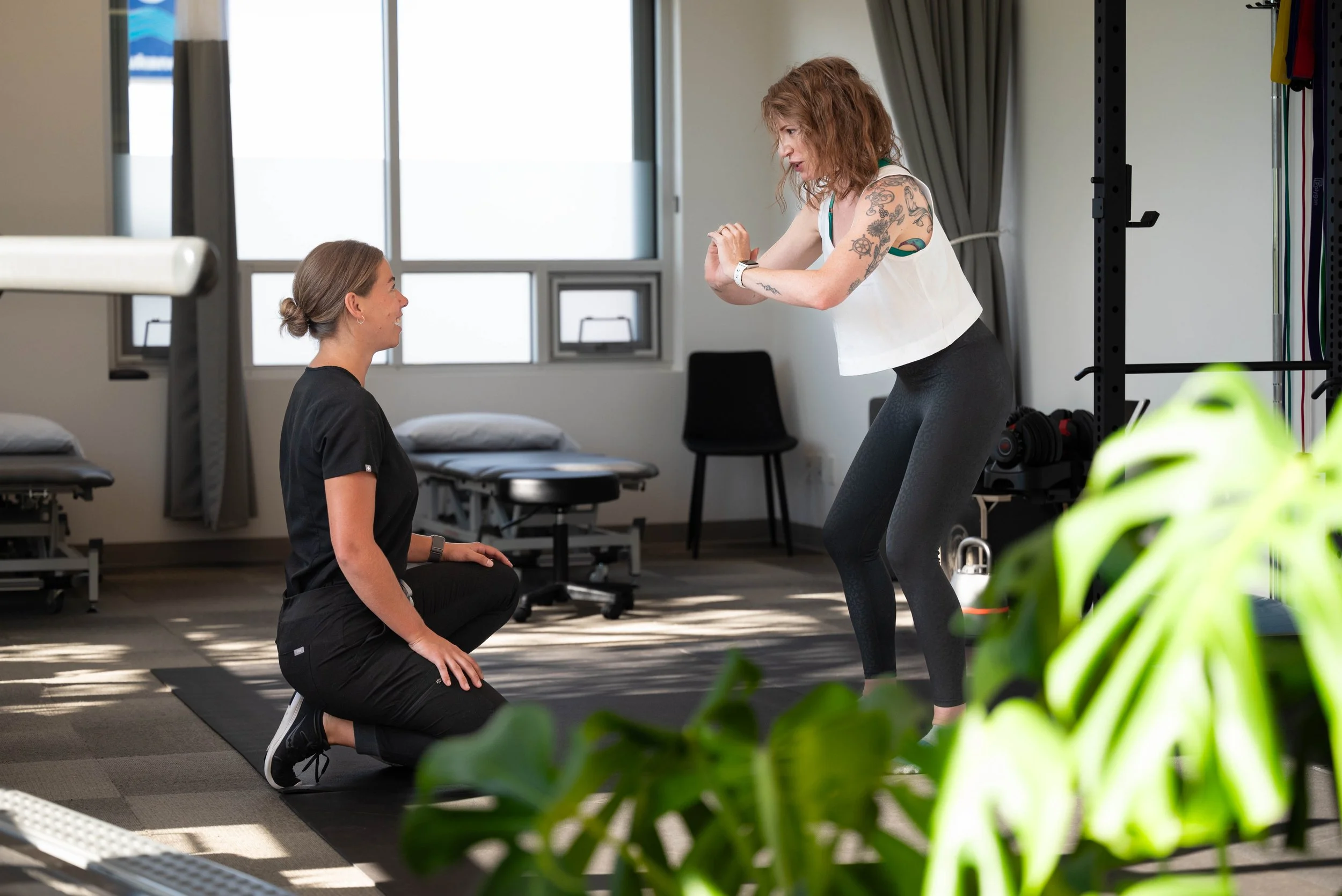
Before leaving, you'll have a clear understanding of:
What may be contributing to your symptoms
Your treatment goals
Exercises or strategies to start immediately
Recommended follow-up care
Most people leave feeling relieved to finally understand what's happening and what steps they can take moving forward.
Internal vs. External Assessment: What Should You Expect?
One of the most common questions we hear is:
"Do I have to have an internal exam?"
The answer is no.
Internal assessments can provide valuable information, but they are always optional and performed only with your informed consent.
Many treatment plans can begin with education, external assessment findings, and symptom-specific strategies.
The goal is never to push through an assessment. The goal is to help you feel informed, comfortable, and supported while gathering the information needed to help you reach your goals.
Who on Our Team Specializes in Pelvic Floor Physiotherapy?
At Northern Motive Physiotherapy, Emily and Caitlin provide pelvic floor physiotherapy services and work with clients experiencing:
Bladder leakage
Urgency and frequency
Pelvic organ prolapse symptoms
Pelvic pain
Postpartum concerns
Return-to-exercise challenges
If you're unsure whether pelvic floor physiotherapy is right for you, our team can help determine if an assessment would be beneficial.
Booking Your First Appointment
Pelvic floor symptoms are common, but they aren't something you have to simply accept.
Whether you're dealing with bladder leakage, pelvic pressure, pelvic pain, or difficulties returning to exercise, an assessment can help identify what's contributing to your symptoms and create a plan that fits your goals.
If you're ready to learn more about your pelvic health, contact Northern Motive Physiotherapy to book your first pelvic floor physiotherapy appointment in Prince George.
The Bottom Line
Pelvic floor physiotherapy is about much more than Kegels and postpartum recovery. It helps people better understand how their pelvic floor, breathing, movement, and daily habits work together—and how those factors may be contributing to symptoms.
For many people, getting answers is the first step toward feeling confident exercising, working, lifting, laughing, and living without constantly thinking about their pelvic floor symptoms.